

Introduction to Ciulioneros
The term ‘ciulioneros’ refers to a distinct cultural group known for their unique identity, traditions, and values. Originating from specific geographical regions, ciulioneros embody a rich tapestry of customs that have evolved over generations. The roots of the ciulioneros can be traced back to ancient communities, where their cultural practices were shaped by the environment, social structures, and historical events. As a result, they have developed a sense of belonging and pride that fosters a strong community bond among members.
Cultural significance is deeply embedded within the ciulioneros‘ way of life. Their traditions, often passed down orally from one generation to the next, serve as a medium through which they express their beliefs, values, and heritage. Many of these customs are tied to specific rites of passage, community gatherings, and significant life events, reinforcing their identity within the larger context of their society. The ciulioneros view these practices not just as nostalgic memories but as integral components that shape their community today.
In terms of their societal impact, ciulioneros play a vital role in sustaining cultural diversity. They contribute to the broader cultural landscape by promoting their rich heritage through arts, music, and traditional practices. This engagement not only enhances their visibility but also encourages cross-cultural exchanges that benefit all communities involved. As we delve deeper into the subject of ciulioneros throughout this blog post, various facets of their lifestyle and contribution to society will be explored, enabling a comprehensive understanding of their place in today’s world.
Historical Context of Ciulioneros
The ciulioneros, a culturally rich group, trace their origins to the early settlements that emerged in what is now known as the central region of their homeland. Historically, the ciulioneros developed their unique identity through a blend of indigenous practices and external influences brought about by trade and migration. Their evolution over time reflects the broader social and political changes in the region, notably during the colonial period, which had a profound impact on their societal structures.
During the 18th century, significant shifts occurred as the ciulioneros engaged in commerce with neighboring tribes, fostering alliances that were crucial for their survival. These interactions not only facilitated the exchange of goods but also ideas and cultural practices. As a result, the ciulioneros began to adapt elements from various cultures, enriching their own. However, such interactions were not without challenges. The ciulioneros faced numerous threats, including territorial disputes with rival groups, which sometimes escalated into conflicts that tested their resilience.
Anecdotes from historical accounts illustrate the trials endured by the ciulioneros. One notable narrative recounts a significant battle where the ciulioneros, displaying remarkable courage and strategic acumen, successfully defended their territory against a larger rival faction. This event not only served to unify the ciulioneros but also reinforced their cultural legacy, emphasizing the importance of community and kinship in the face of adversity.
As the 19th century approached, ciulioneros continued to navigate their complex historical landscape, adapting to both challenges and opportunities presented by the changing world around them. The resilience and adaptability of the ciulioneros underscore their ongoing legacy, as their history continues to influence their cultural practices and societal values today.
Cultural Practices and Traditions of Ciulioneros
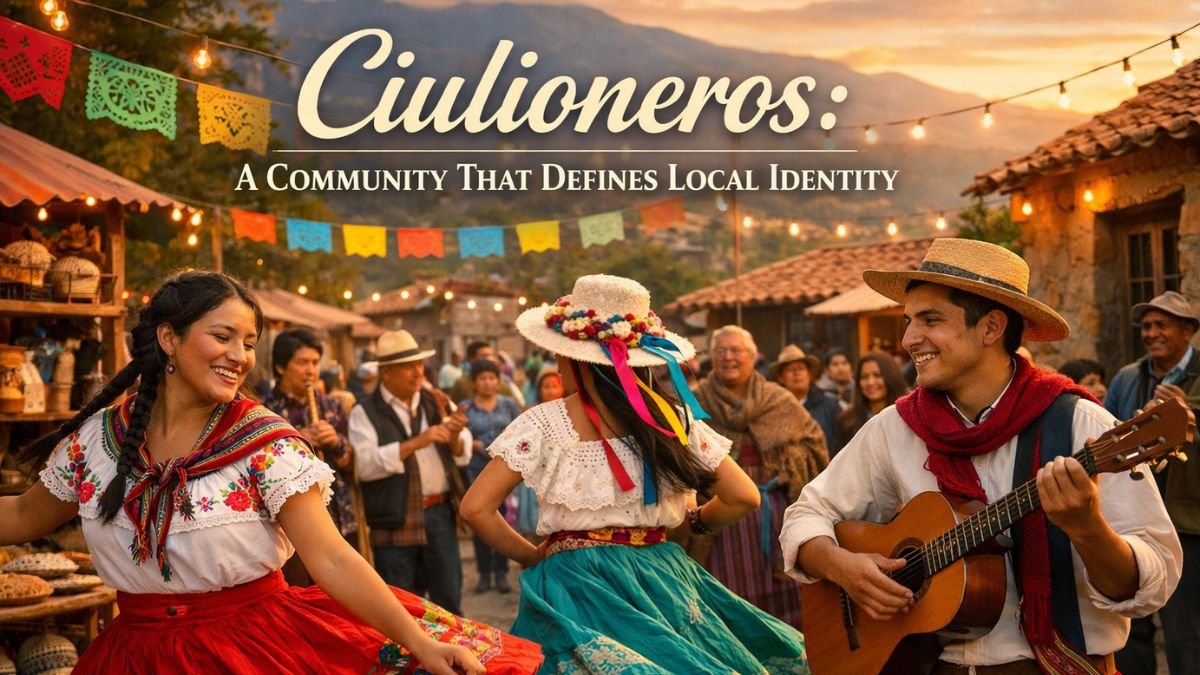
The ciulioneros, a distinct community with rich cultural heritage, exhibit a variety of traditions that are fundamental in shaping their identity. At the heart of their culture lies a vibrant artistic expression that encompasses music, dance, and visual arts, reflecting their historical experiences and aspirations.
Music plays a significant role in the life of ciulioneros. Traditional forms of music, often featuring unique instruments, are integral to their celebrations and rituals. Festivals such as the annual Harvest Festival display diverse musical performances that bring community members together. As one community elder stated, “Music is the soul of our gatherings; it binds us together and tells our stories through generations.” This perspective underscores the importance of music in maintaining cultural continuity among the ciulioneros.
Dance is another vital aspect of ciulionero culture, often used to commemorate significant historical events or to express collective emotion. The traditional dances are not only forms of entertainment but also serve as a medium for storytelling. Attendees of community events can frequently see the youth engaging in these dances, thereby ensuring that the older generations pass on their traditions to the next. Such engagement is crucial in reinforcing their cultural roots in an increasingly modernized environment.
Culinary traditions also characterize the ciulioneros, with unique recipes passed down through generations. The incorporation of locally sourced ingredients marks a connection to their land and reinforces their identity. Traditional dishes, often prepared during festivals, underscore the communal aspect of their culture, as meals shared among families symbolize unity and togetherness.
Ultimately, the unique cultural practices of ciulioneros, ranging from arts and music to culinary traditions, play a pivotal role in preserving their heritage while adapting to contemporary influences. These elements not only celebrate their past but also lay a foundation for future generations, ensuring that the spirit of ciulioneros remains vibrant and alive.
The Future of Ciulioneros: Challenges and Opportunities

The ciulioneros, an indigenous group with rich cultural heritage, are at a crossroads in their development, facing numerous challenges and opportunities in an ever-evolving world. Globalization has profoundly impacted their traditional way of life, often leading to cultural dilution as external influences permeate their communities. Urbanization is another pressing issue, drawing younger generations away from their ancestral lands in search of better economic prospects. This migration results in a significant loss of skilled artisans and sustainers of the ciulioneros’ unique traditions, which are critical for the preservation of their identity.
Furthermore, the advent of social media has transformed the dynamics of cultural expression among the ciulioneros. While it offers a platform for them to share their stories and promote their customs to a global audience, it also poses a risk of misrepresentation Trucofax and appropriation of their culture by outsiders. Maintaining control over their cultural narrative in the digital age requires a strategic approach that embraces both tradition and modernity.
Despite these challenges, there are several opportunities for the ciulioneros to thrive. Community initiatives aimed at educating both locals and visitors about their culture can spark interest and appreciation. Tourism, when managed sustainably, can provide vital income while empowering the ciulioneros to showcase their customs authentically. Cultural exchanges can foster understanding and respect, allowing the ciulioneros to not only share their heritage but also learn from other cultures.
In conclusion, the future of the ciulioneros hinges on their ability to adapt to a changing world while embracing their unique cultural identity. By leveraging opportunities for community engagement, tourism, and cultural preservation, the ciulioneros can ensure that their heritage not only survives but thrives in the years to come.